Every homeowner’s roof takes constant abuse from the elements, yet most people never think about it until something goes wrong. Small problems like cracked shingles or worn seals can quickly turn into major water damage that costs thousands to fix. The good news is that catching issues early and knowing how professionals approach repairs can save you both money and headaches down the road.
Our team has worked on hundreds of residential roofs over the years, and we’ve seen just about every problem you can imagine. This guide walks you through the most common roofing issues, how experts fix them, and what you should watch for around your home. By the end, you’ll have a clear picture of when to handle something yourself and when to call in a professional.
The Most Frequent Roof Problems Homeowners Face
Roof issues generally fall into a handful of common categories. Understanding what these problems look like and what causes them is the first step toward keeping your home protected.
Leaks and Water Damage
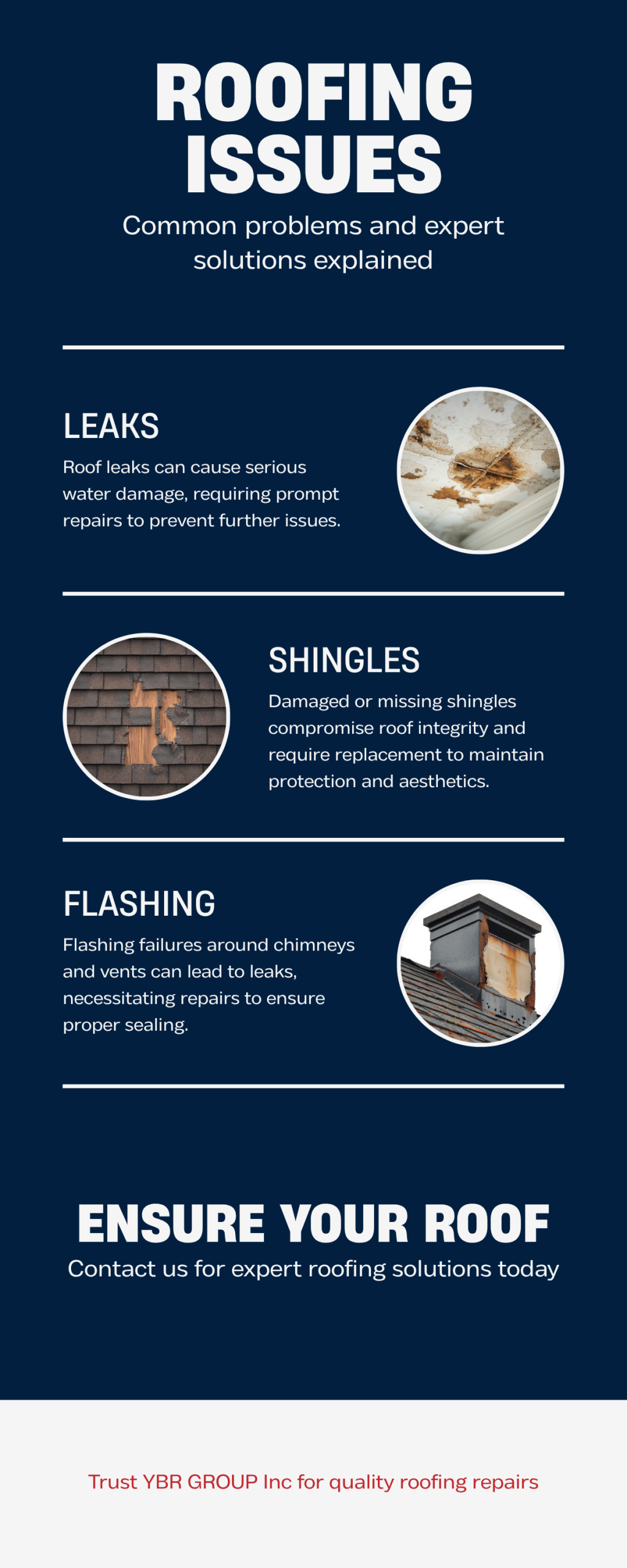
Roof leaks are the problem we get called about most often, and they rarely start where they show up inside your home. Water can enter through damaged shingles higher up on the roof, travel along beams or insulation, and only become visible when it reaches your ceiling. According to This Old House, leaks do not always originate where they appear inside your home.
Signs of a leak include damp spots in your attic, water stains on ceilings or walls, and peeling paint near roof overhangs. Sometimes you might even see light coming through the roof boards in your attic. Addressing leaks promptly matters because the longer water sits in your home’s structure, the more damage it causes to wood, insulation, and drywall.
Damaged or Missing Shingles
Severe weather, age, and simple wear and tear all take a toll on shingles. High winds can lift or tear them loose, hail can crack or dent them, and years of sun exposure makes them brittle over time. When shingles crack, curl, or go missing entirely, the underlying roof structure becomes exposed to water infiltration.
Look for dark streaks, missing granules, or visible cracks in your shingles during inspections. If you notice granule buildup in your gutters, that often means your shingles are deteriorating and approaching the end of their lifespan.
Flashing Failures
Flashing is the metal or rubber material that seals the joints around chimneys, vents, skylights, and other roof penetrations. Without proper flashing, water easily finds its way into these vulnerable spots. Flashing can crack, corrode, or come loose over time, especially after years of exposure to the elements.
According to NRCA, using a single continuous piece of flashing along roof edges creates problems because it allows water to slip underneath. Properly installed stepped flashing directs water over each course of shingles, keeping your roof watertight.
Issues With Roof Vents and Skylights
Roof vents and skylights add ventilation and natural light, but they also create potential leak points if their seals fail. The rubber flanges around vent pipes are especially prone to deterioration. After years of exposure to sunlight and weather, the rubber can crack and lose its ability to seal properly.
When skylight seals wear out or surrounding flashing shifts over time, even small gaps can let significant amounts of water inside during heavy rain.
Roof Valley Problems
Roof valleys are the V-shaped channels where two roof planes meet. These areas collect water and debris, making them especially vulnerable to wear and leaks. If shingles are not properly aligned or sealed in these channels, water works its way beneath the roofing materials and causes damage from the inside out.
How Professionals Repair Each Problem
Our team follows specific steps depending on the type of damage we find. Here is how we typically approach the most common repairs.
Fixing Leaks
Locating the source of a leak often requires checking your attic for wet insulation or stained areas on sheathing and rafters. One technique involves having someone spray water on targeted roof sections while you inspect from inside, working in sections to narrow down where the water enters.
Once we locate the problem area, we remove any damaged material, whether that means broken shingles, compromised flashing, or rotted wood. We then install new materials and apply roof sealant to create a watertight barrier.
Replacing Damaged Shingles
Shingle replacement works best on mild days. Extreme temperatures make shingles brittle or too soft, which makes them harder to handle and more likely to get damaged during installation. We use a flat bar to break the seal between shingles and remove nails carefully, then lift and remove the damaged pieces.
New shingles get installed starting with the lowest course, nailed into place, with a bead of roof sealant applied beneath the leading edge of each replacement shingle. We take extra care not to damage surrounding shingles during this process, particularly on older roofs where materials tend to be more brittle.
Repairing Flashing
Minor flashing problems can often be repaired without full replacement. We clean the area around the flashing and apply roof sealant to cracks or loose sections, smoothing it so water can drain properly. If the flashing shows severe damage or corrosion, replacing the entire section becomes necessary.
For vent boots, we select a replacement that matches the pipe diameter, remove the old unit, apply sealant to the underside of the new flashing, slide it over the pipe and under the shingle course above, then secure everything with nails and seal any exposed nail heads.
Maintaining Roof Valleys
Keeping valleys clear of debris helps water flow off the roof efficiently and reduces the risk of leaks. We remove leaves, branches, and dirt using a garden trowel, then inspect the shingles in these areas for damage. Any compromised shingles get replaced or resealed as needed.
Understanding Roof Repair Costs and Industry Trends
The numbers behind roof repairs might surprise you. According to data from Verisk, roof repair and replacement costs totaled nearly $31 billion in 2024, up nearly 30 percent since 2022. Wind and hail drove more than half of all residential claims during this period.
That same report indicates that roofs with moderate to poor condition issues have 60 percent higher loss costs than those in good or excellent condition. Currently, 38 percent of U.S. residential homes have roofs with moderate to poor condition issues. Interestingly, roofs tend to be in better condition in the western United States compared to the eastern part of the country, where more weather variability takes its toll.
Roofing materials play a key role in durability. Asphalt shingles cover about 80 percent of U.S. homes. In hail-prone states, the average roof lifespan sits around 15 years, compared to 22 years in western states like Nevada, Arizona, and Utah that experience less severe weather.
Comparing Common Repair Methods
| Repair Type | Complexity | Average Cost Range | When to Call a Pro |
|---|---|---|---|
| Replacing individual shingles | Simple | $150 to $400 | If roof is steep or high |
| Fixing small leaks | Moderate | $200 to $600 | If leak source is hard to locate |
| Repairing flashing | Moderate to complex | $300 to $800 | Always recommended |
| Vent boot replacement | Moderate | $200 to $500 | If multiple vents need work |
| Full valley repair | Complex | $600 to $1,500 | Always recommended |
These cost estimates vary based on your location, roof size, and the extent of damage. Minor repairs typically cost less than $400, while more involved work can run several hundred dollars per incident.
Things to Consider Before Making a Decision
Before you decide how to handle a roofing problem, take these factors into account.
Your roof’s age and overall condition matter. If your roof is approaching 20 years old and showing multiple problem areas, a full replacement might make more financial sense than pouring money into repeated repairs. Asphalt shingle roofs typically last 20 to 30 years depending on climate and maintenance.
Safety should come first always. Working on a roof involves real danger. Steep pitches, slippery surfaces, and heights that make falls potentially fatal mean you should not attempt repairs if you are not comfortable with the risks. Our team has the proper safety equipment and training to work safely in these conditions.
Climate affects repair timing. In regions with harsh winters, the best strategy is to complete repairs before cold weather arrives. Ice dams can make existing problems worse, and some sealant products do not cure properly in freezing temperatures.
Long-term versus short-term fixes. Sometimes a temporary patch makes sense if a major storm is coming and you need to get through it, but do not let temporary solutions become permanent ones. Small problems ignored tend to grow into expensive ones.
Bonus Tips
Check your attic regularly. Many roofing problems first show themselves in the attic before they become visible inside your living spaces. Wet insulation, dark stains on wood, or light coming through are all warning signs that need attention.
Keep your gutters clean and functional. Clogged gutters cause water to back up under your shingles and can lead to rot in your fascia boards. Clean them at least twice a year, and make sure they slope properly toward the downspouts.
Trim overhanging tree branches. Branches that hang over your roof drop debris, retain moisture, and can fall during storms, damaging shingles. Keeping trees trimmed back reduces these risks significantly.
Expert Recommendations for Prevention
Taking care of your roof before problems develop saves money and extends your roof’s life. We recommend these maintenance practices to our clients.
Inspect your roof at least twice yearly, paying special attention to flashing around vents and chimneys, the condition of shingles, and the buildup of debris in valleys and gutters. Address small issues immediately before they escalate.
Maintain proper attic ventilation to prevent moisture buildup that causes mold, rot, and premature shingle failure. Your attic temperature should stay close to the outside temperature in winter.
Clean your gutters at least twice a year, more often if you have many trees nearby. Consider installing gutter guards to reduce debris accumulation and make maintenance easier.
Frequently Asked Questions
How long does a typical roof repair take?
Most standard repairs take anywhere from a few hours to a full day. Replacing damaged shingles or fixing small leaks usually finishes in one to four hours. More involved work, like valley repairs or flashing replacement, can take a full day or extend into a second day, depending on the extent of damage and weather conditions.
Will my home insurance cover roof repairs?
Coverage depends on what caused the damage and your specific policy terms. Damage from covered perils like hail, windstorms, or falling trees typically qualifies for coverage. Normal wear and tear or neglect-related damage usually does not. Review your policy and document damage with photos as soon as you discover it.
What is the difference between roof repair and roof replacement?
Roof repair targets specific problem areas, replacing damaged shingles, fixing leaks, or repairing flashing in isolated spots. Roof replacement involves removing the entire existing roof system and installing new materials. Repair makes sense for newer roofs or localized damage, while replacement becomes necessary when a roof is old and worn or has widespread problems.
Can I place new shingles over existing ones?
This practice, called an overlay or layover, sometimes works as a short-term solution, but it comes with drawbacks. Adding a second layer adds weight to your roof structure, can hide underlying damage, and typically does not last as long as a full tear-off replacement. Most building codes allow at most two layers of shingles, but we usually recommend complete removal for best results.
How can I tell if my roof has ventilation problems?
Signs of poor ventilation include excessive heat in your attic that makes upper floors uncomfortable, moisture or frost buildup on the underside of your roof deck, mold growth in the attic, and shingles that show signs of blistering or curling. A well-ventilated attic should have intake vents at the eaves and exhaust vents near the ridge.
Professional Help Makes the Difference
Roof problems can start small but lead to serious damage when ignored. While some maintenance tasks fall within what a capable homeowner can handle, most repairs benefit from professional assessment and execution. Getting repairs right the first time costs less than fixing mistakes or dealing with damage that spreads.
If you are dealing with roof leaks, damaged shingles, or any other roofing issue, reach out to our team for an evaluation. We provide honest assessments and quality repairs you can count on. Call YBR Group Inc at (267) 902-2393 or email ybrgroupinc@gmail.com to discuss your needs and schedule an inspection.
Sources
- This Old House – Trusted home improvement resource providing detailed guidance on identifying and repairing common roofing problems
- Verisk – U.S. Roofing Realities Trend Report with industry statistics on repair costs, roof conditions, and regional trends