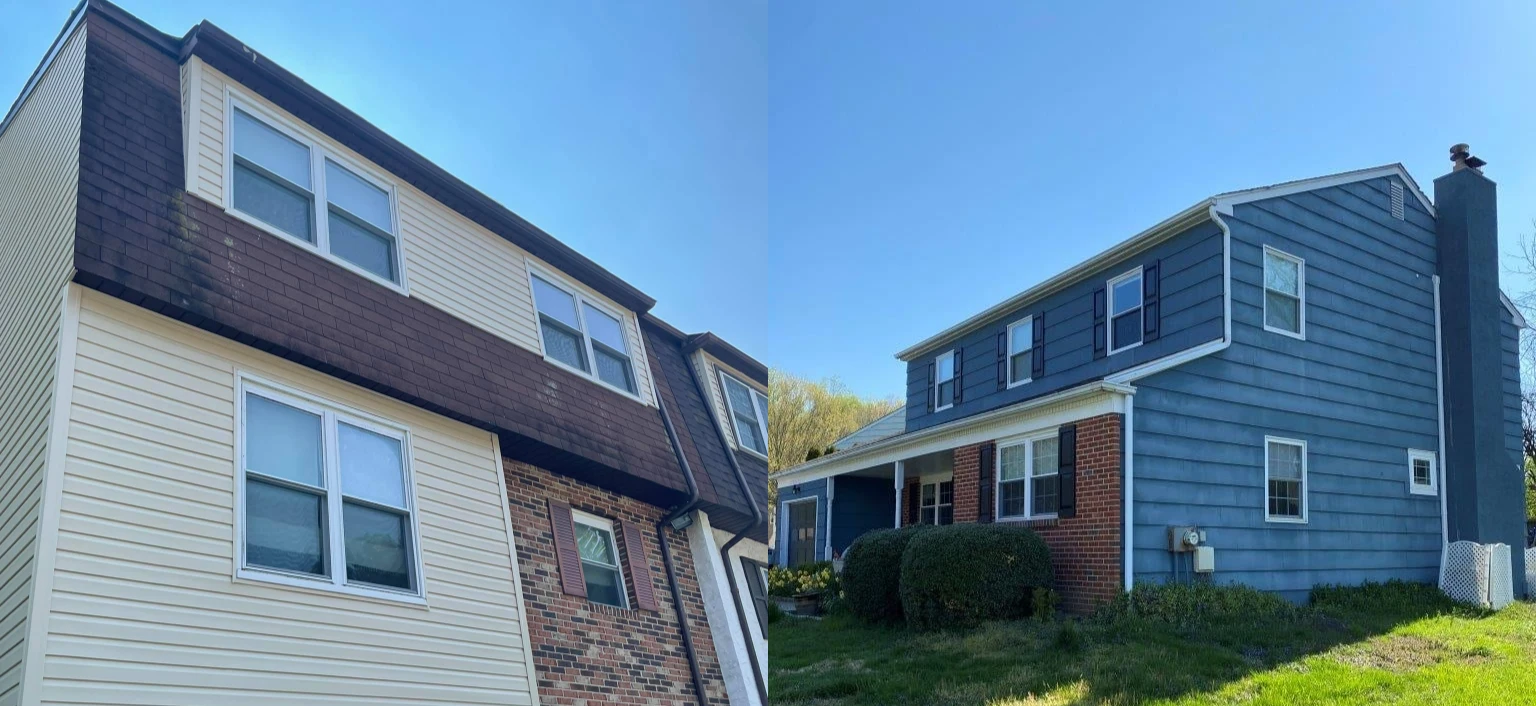
Choosing between vinyl and fiber cement siding comes down to your priorities. If budget is your main concern and you want minimal upkeep, vinyl is the practical choice, offering a low initial investment and straightforward installation. If you prioritize longevity, fire resistance, and durability against Chester’s freeze-thaw cycles and severe weather, fiber cement delivers stronger performance at a higher upfront cost. That difference in initial investment versus long-term performance is the core of the decision for homeowners in the greater Chester, PA area. Both materials work well in Pennsylvania’s climate, but they serve different needs, so a careful look at cost, maintenance, and durability is worth your time.
How Each Material Holds Up in Pennsylvania Weather
Chester sees hot, humid summers with temperatures above 90 degrees, alongside freezing winters with snow and ice. Annual precipitation reaches roughly 45 inches, including thunderstorms and nor’easters. These conditions test every exterior material, so your siding choice matters.
Vinyl siding handles moisture well when properly installed. Modern formulations include UV protection to resist fading. The material expands in summer heat and contracts in winter cold, which can stress connection points over time. In extreme cold, vinyl becomes more brittle and can crack on impact. Heavier gauge products (0.046 inches or thicker) perform better in our climate.
Fiber cement siding resists Pennsylvania’s demanding conditions more effectively. It handles freeze-thaw cycles without cracking or warping, and absorbs almost no moisture, which prevents the swelling and buckling that affects other materials during humid summers. Fiber cement also resists rot, insects, and fire; James Hardie fiber cement carries a Class A fire rating. [Source: jameshardie.com product documentation]
For most Chester homes, fiber cement outperforms vinyl in freeze-thaw conditions, while vinyl remains a sound option when you select premium products with reinforced features. Our overview of siding services walks through both material families in more detail.
Comparing Costs Side by Side
| Cost Factor | Vinyl Siding | Fiber Cement Siding |
|---|---|---|
| Material cost per sq. ft. | $3 to $12 | $10 to $15 |
| Installation cost per sq. ft. | $5 to $8 | $10 to $15 |
| Total installed cost per sq. ft. | $8 to $20 | $20 to $30 |
| Lifespan | 20 to 40 years | 50+ years |
| Repainting required | No | Every 15 to 20 years |
| Maintenance level | Very low | Low to moderate |
The figures above are national averages; your actual cost depends on home size, wall condition, and trim details, so always work from a written quote. Vinyl costs less upfront and during installation. Fiber cement requires specialized tools and trained installers, which drives labor higher. However, fiber cement’s 50-year lifespan often means better lifetime value despite the steeper initial investment. For a closer look at one premium fiber cement option, see our guide to James Hardie fiber cement installation in Pennsylvania.
Durability That Protects Your Home
Fiber cement resists impact from hail and windblown debris better than vinyl. It will not warp, rot, or attract pests, and if a grill or fire pit sits near your home, it handles heat exposure without melting or releasing toxic fumes.
Vinyl performs adequately under normal conditions but has vulnerabilities. It can buckle if installed without proper spacing for expansion. Darker vinyl colors absorb more heat, increasing expansion and contraction stress. Premium insulated vinyl products improve energy efficiency but add cost. If color flexibility matters to you, our guide to vinyl siding colors and styles for Pennsylvania homes covers your options.
Practical tip: if you choose vinyl for your Chester home, select lighter colors to minimize heat absorption and choose products with enhanced thickness for better impact resistance.
Maintenance and Long-Term Care
Vinyl requires almost no maintenance. Occasional washing with a mild cleaner removes dirt and prevents mold in shaded areas. The color runs completely through the material, so minor scratches go unnoticed. Vinyl cannot be painted, so to change your home’s color you must select from the manufacturer’s palette.
Fiber cement needs slightly more attention. Annual cleaning with a garden hose and soft brush keeps it looking fresh. You can paint fiber cement to refresh your home’s appearance, which opens up unlimited color options. Factory-applied finishes typically last 15 to 25 years before repainting becomes necessary.
Both materials benefit from annual inspections to check for damage, proper sealing, and drainage. If you are weighing a full exterior upgrade, our breakdown of the benefits of upgrading exterior siding puts the long-term value in context.
Things to Consider Before Making a Decision
Before selecting your siding material, evaluate these factors specific to your situation:
Your budget timeline. Can you afford the higher upfront cost of fiber cement, or does your budget call for the lower initial investment of vinyl? Consider whether the long-term savings of fiber cement justify waiting if needed.
How long do you plan to stay? If you expect to move within 10 to 15 years, vinyl’s lower upfront cost may provide better short-term value. Homeowners staying 20 years or more often benefit more from fiber cement’s durability.
Your home’s exposure. Homes in heavily wooded areas face different challenges than properties with full sun. Fiber cement handles diverse conditions more uniformly.
Aesthetic goals. Fiber cement authentically replicates wood grain, stucco, and other textures. Vinyl offers many colors but cannot be repainted in custom shades.
Your climate priorities. Fire resistance matters more in some neighborhoods than others. Decide which performance characteristics matter most for your location.
Frequently Asked Questions
Does fiber cement siding require more maintenance than vinyl?
Fiber cement requires slightly more attention, primarily periodic repainting every 15 to 20 years. Vinyl needs virtually no maintenance beyond occasional cleaning. Both demand far less care than wood siding.
Can vinyl siding handle Pennsylvania winters?
Yes, vinyl performs adequately in cold weather when properly installed. Premium products with enhanced thickness and reinforced nail hems resist cold-weather brittleness better. Installers must leave proper spacing for expansion and contraction.
Is fiber cement worth the extra cost for Chester homes?
For many homeowners, yes. Fiber cement’s 50 year-plus lifespan, fire resistance, and performance in freeze-thaw conditions often justify the higher initial investment, especially for long-term residents.
Does vinyl siding reduce energy costs?
Standard vinyl provides minimal insulation. Insulated vinyl siding with foam backing improves energy efficiency, with R-values reaching about 2.0 or higher compared to standard vinyl at roughly 0.6.
Can I install either material myself to save money?
Vinyl installation is relatively straightforward for experienced DIYers. Fiber cement requires specialized tools and training due to its weight and specific installation requirements. Professional installation typically costs more upfront but prevents costly errors.
Making Your Final Choice
Both vinyl and fiber cement serve Chester homeowners well. Your decision should reflect your specific circumstances rather than choosing a material simply because one costs more or lasts longer. Vinyl provides excellent value for budget-conscious homeowners seeking minimal maintenance. Fiber cement delivers premium durability and fire resistance for those willing to invest more upfront.
Evaluate your priorities honestly. Consider how long you plan to stay, what your climate demands, and what level of maintenance you can commit to over decades of ownership. The right choice aligns with your home’s needs, your finances, and your long-term plans.
Ready to Discuss Your Siding Options?
The team at YBR GROUP Inc helps Chester homeowners evaluate siding choices based on local conditions and individual requirements. We provide honest assessments without pressure. If you have questions about which material suits your project, email us at ybrgroupinc@gmail.com or call (267) 902-2393. We can schedule an evaluation to help you make an informed decision.