Windows do far more than let light into a home. They are the single largest point of heat transfer in most buildings, directly controlling how warm or cool a room feels in every season. According to the U.S. Department of Energy, windows account for 25 to 30% of a home’s heating and cooling energy use. That means nearly a third of every dollar spent on temperature control is tied to what is sitting in your walls. The glass type, frame material, gas fills, and coatings all determine whether a window helps maintain a steady indoor temperature or works against it.
From our experience working on homes across Bucks County and the surrounding Pennsylvania and South Jersey area, the difference between a home with outdated single-pane windows and one with modern, energy-efficient units is immediately noticeable. Rooms that once felt drafty in winter and sweltering in summer become comfortable places to live. This article covers the science behind how windows affect your indoor environment, what ratings to look for, and how to choose the right option for your climate.
The Science of Heat Transfer Through Glass
Heat moves through windows in three ways: conduction (direct transfer through materials), convection (air movement), and radiation (heat from sunlight). Every window handles these three forces differently depending on its construction.
A single pane of glass offers almost no resistance to conductive heat flow. When it is cold outside, indoor warmth passes straight through the glass, and the interior surface of the window drops in temperature. That cold surface pulls heat away from anyone sitting nearby, which is why rooms with old windows often feel chilly even when the thermostat reads 70 degrees.
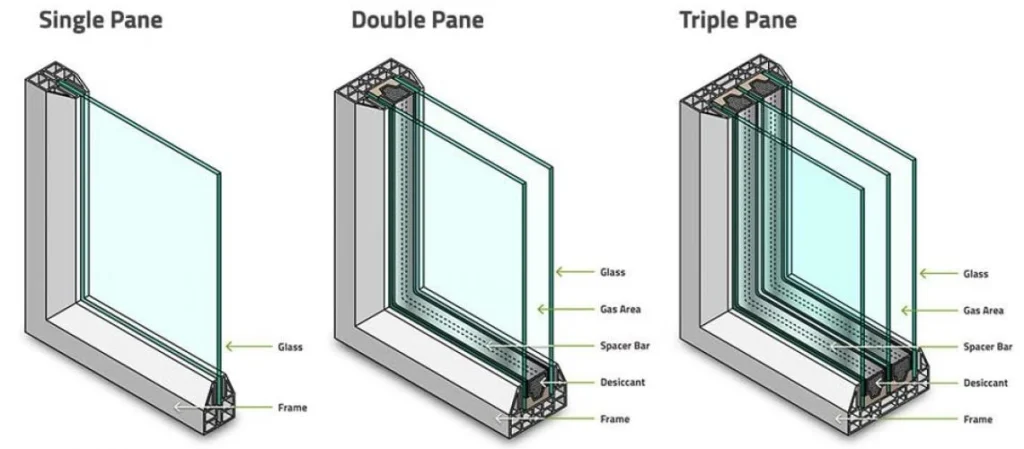
Modern windows interrupt that heat flow using multiple panes of glass separated by sealed gas-filled spaces. According to the Efficient Windows Collaborative, triple-pane windows provide better insulation than double-pane units because the additional layer of glass and extra insulating gas pocket slow heat transfer even further. The result is a more consistent indoor temperature with fewer cold spots near windows during winter.
The Ratings That Actually Matter
When evaluating window performance, two numbers carry the most weight: U-factor and Solar Heat Gain Coefficient (SHGC). The U.S. Department of Energy defines U-factor as the rate at which a window transmits non-solar heat flow. A lower U-factor means the window insulates better. SHGC measures the fraction of solar radiation that passes through the glass and enters the home as heat. A lower SHGC means less solar heat comes inside.
These two ratings matter differently depending on where you live and which direction a window faces. In colder northern climates, a low U-factor is the priority because preventing heat loss matters more than blocking solar gain. In hotter southern climates, a low SHGC becomes more important because keeping the sun’s heat out is the bigger challenge.
Here is a breakdown of what to target based on climate region:
| Climate Region | U-Factor Target | SHGC Target | Priority |
|---|---|---|---|
| Northern | 0.28 or lower | Above 0.32 | Minimize heat loss |
| North Central | Below 0.30 | Below 0.40 | Balanced performance |
| South Central | Below 0.30 | Below 0.25 | Reduce solar heat gain |
| Southern | Below 0.40 | Below 0.25 | Block summer heat |
Bonus tip: South-facing windows in cold climates benefit from a higher SHGC because they allow free solar heating during winter. Just make sure those same windows have proper overhangs to block the high-angle summer sun.
How Low-E Coatings Work Across Seasons
Low-emissivity (Low-E) coatings are thin, invisible metallic layers applied to window glass. They work like a thermos, reflecting indoor heat back inside during winter and bouncing outdoor solar heat away during summer. The U.S. Environmental Protection Agency’s ENERGY STAR program notes that certified windows with Low-E coatings can reduce household energy bills by an average of up to 13% nationwide when replacing single-pane units.
In our projects, we have seen rooms with south- and west-facing windows drop several degrees in summer temperature after upgrading to Low-E glass, with no change to the HVAC system. The coating also blocks a significant portion of UV radiation, which helps protect flooring, furniture, and artwork from fading. According to the ENERGY STAR program, these coatings can reduce fading damage by up to 75%.
Low-E coatings come in different formulations. “Hard-coat” versions are more durable and often used in harsh climates where the window is exposed to direct weather. “Soft-coat” versions offer slightly better performance but are more delicate, which is why they are always placed on the protected interior surface of an insulated glass unit.
Bonus tip: If you are upgrading windows selectively, prioritize south- and west-facing units first. Those orientations receive the most direct sunlight and contribute the most to indoor temperature swings.
Frame Materials and Their Role in Comfort
The glass gets most of the attention, but window frames play a significant role in overall performance. Different frame materials conduct heat at different rates, and a highly conductive frame can undermine the benefits of good glass.
- Vinyl frames offer solid insulation with minimal maintenance. They resist moisture damage and do not require painting.
- Fiberglass frames provide excellent thermal performance and dimensional stability. They expand and contract at nearly the same rate as glass, which reduces stress on seals.
- Wood frames are natural insulators but need regular painting or staining to prevent moisture damage.
- Aluminum frames are strong and lightweight but conduct heat readily, making them the least efficient option for temperature control unless they include a thermal break.
Bonus tip: Check the corners of your existing window frames for separation or softness. If a screwdriver easily presses into the frame material, moisture damage has already compromised the insulating value, and replacement is the more effective option.
Seasonal Comfort Breakdown
Winter and summer create opposite challenges for windows, and the best products handle both without compromise.
In winter, cold air pulls heat out through the glass while drafts seep in through worn weatherstripping and gaps around the frame. The interior glass surface temperature drops, which creates the uncomfortable “cold zone” near windows. Double- and triple-pane windows with argon or krypton gas fills keep the inner glass warmer, eliminating that cold draft effect and reducing condensation buildup.
In summer, solar radiation enters through the glass and heats up interior surfaces, including floors, furniture, and walls. A standard double-pane window allows roughly 75% of the sun’s heat to pass through, according to the ENERGY STAR program. Windows with low SHGC ratings and Low-E coatings block a large portion of that solar gain, which means the air conditioning system does not have to work as hard to keep rooms comfortable.
Things to Consider Before Making a Decision
Choosing the right windows involves more than picking a product off a shelf. Several practical factors influence whether a particular window will actually perform well in your home.
- Your climate zone should drive the U-factor and SHGC ratings you target. A window optimized for Florida will not perform the same way in Minnesota.
- Window orientation matters. South-facing windows in cold climates can help with passive solar heating, while west-facing windows in hot climates are the biggest source of unwanted afternoon heat.
- Installation quality determines real-world performance. Even the best window will underperform if it is installed with gaps, improper flashing, or insufficient insulation around the frame.
- Existing window condition. Fogging between panes indicates a broken seal, rotting frames signal moisture damage, and difficulty operating latches point to structural wear. All of these suggest replacement rather than repair.
- Long-term energy savings versus upfront cost. More efficient windows carry a higher initial price, but reduced heating and cooling costs accumulate over the decades-long lifespan of the product.
Common Questions
We hear a number of recurring questions from homeowners evaluating their window options.
Do triple-pane windows make a noticeable difference over double-pane? Yes, especially in climates with extreme temperatures. The extra pane and additional gas-filled space further reduce heat transfer, and the added mass helps block outside noise. The improvement is measurable but depends on how severe your local temperature swings are.
How long do energy-efficient windows last? Most modern windows last 20 to 30 years with proper installation and basic maintenance. The sealed glass unit typically outlasts the frame in vinyl and fiberglass products, while wood frames may need refinishing every few years.
Can I keep my existing frames and just replace the glass? Insert replacements (where new glass units fit into existing frames) can work if the frame is still structurally sound and properly sealed. However, if the frame itself is warped, rotting, or poorly insulated, a full-frame replacement delivers much better comfort improvement.
Does window orientation really affect energy savings that much? It does. West-facing windows receive intense afternoon sun when outdoor temperatures are at their peak, making them the largest contributors to cooling loads. South-facing windows can either help or hurt, depending on the season and whether shading is available.
Answers to Frequently Asked Questions
What is the most important rating to check on a window?
U-factor is the best single indicator of overall insulation performance. The lower the number, the better the window resists heat transfer. After U-factor, check SHGC to understand how much solar heat the window allows inside.
How do I know if my current windows are losing energy?
Signs include visible condensation between glass panes, noticeable drafts when the window is closed, difficulty opening or closing latches, higher-than-expected energy bills, and cold spots near windows during winter.
Will new windows eliminate condensation?
They will reduce it significantly. ENERGY STAR-certified windows keep the interior glass warmer, which means moisture in the air is less likely to reach the dew point on the glass surface. Managing indoor humidity with proper ventilation also helps.
Are energy-efficient windows worth it in mild climates?
They still provide value. Even in moderate regions, windows with low U-factors help maintain steady temperatures and reduce the load on HVAC equipment, which extends the life of those systems and keeps utility costs lower.
Should I replace all windows at once or phase the work?
Phased replacement is practical for budget reasons. We recommend starting with the windows that cause the most discomfort: typically the oldest units and those facing south or west where solar heat gain is highest.
Get Professional Guidance on Your Window Upgrade
Choosing the right replacement windows for your home requires matching product specifications to your climate, home orientation, and comfort goals. YBR GROUP Inc can help you evaluate your current windows, identify the best solutions for your situation, and ensure professional installation that delivers the performance you expect. Reach out to us at ybrgroupinc@gmail.com or call (267) 902-2393 to discuss your project. If cost is a concern, our PA energy rebates and financing guide covers the options currently available.
Sources
- U.S. Department of Energy – Energy Performance Ratings for Windows, Doors, and Skylights – Official government resource explaining U-factor, SHGC, air leakage, and visible transmittance ratings for window performance evaluation
- ENERGY STAR – Residential Windows, Doors, and Skylights – EPA program covering energy savings data, climate zone recommendations, and installation guidance for certified windows
- Efficient Windows Collaborative – Double-Pane vs. Triple-Pane Windows – Non-profit educational resource comparing insulation performance, condensation resistance, and UV protection between window types
- This Old House – What Do Energy Star Window Ratings Mean – Detailed guide to reading window performance labels with climate-specific U-factor and SHGC targets
- Daily Inter Lake – How High-Performance Window Systems Can Transform Your Home’s Energy Efficiency – Reporting on Department of Energy data showing windows account for 25-30% of residential heating and cooling energy use