Upgrading your home’s windows delivers measurable improvements in energy efficiency, indoor comfort, and property value. For homeowners in Collingswood, where winters regularly dip below freezing, and summers bring sticky humidity, modern windows directly address the strain that old, drafty units place on both your HVAC system and your monthly budget. According to the U.S. Department of Energy, heat gain and heat loss through windows are responsible for 25% to 30% of residential heating and cooling energy use. That makes windows one of the single largest sources of energy waste in any home, and also one of the most rewarding targets for an upgrade.
Over our years of working on homes across Collingswood, we have seen firsthand what a difference new windows make, not just on utility bills, but on how a home actually feels to live in. This article breaks down the specific benefits, explains what makes them matter in our local climate, and offers clear guidance to help you decide if the time is right for your home.
Why Collingswood Homes Are Especially Affected by Window Efficiency
Collingswood sits in the Northern ENERGY STAR climate zone, meaning our homes face both significant heating demand in winter and meaningful cooling demand in summer. Average low temperatures in January hover around 26 degrees Fahrenheit, while summer highs routinely reach the upper 80s with humidity to match. That kind of temperature swing puts serious pressure on any window that is not built to handle it.
Many Collingswood homes are older constructions with original single-pane windows or early double-pane units whose seals have degraded over decades. These windows allow heated air to escape in winter and let solar heat pour in during summer, forcing your heating and cooling systems to work harder for longer periods. The result is uneven temperatures from room to room, persistent drafts near window seats, and utility bills that reflect that constant energy loss.
Lower Energy Bills That Add Up Over Time
Replacing old windows with energy-efficient models generates real, quantifiable savings. ENERGY STAR reports that certified windows lower household energy bills by an average of up to 13 percent nationwide when replacing single-pane windows. The savings come from a combination of better insulation, improved sealing, and coatings that manage solar heat gain.
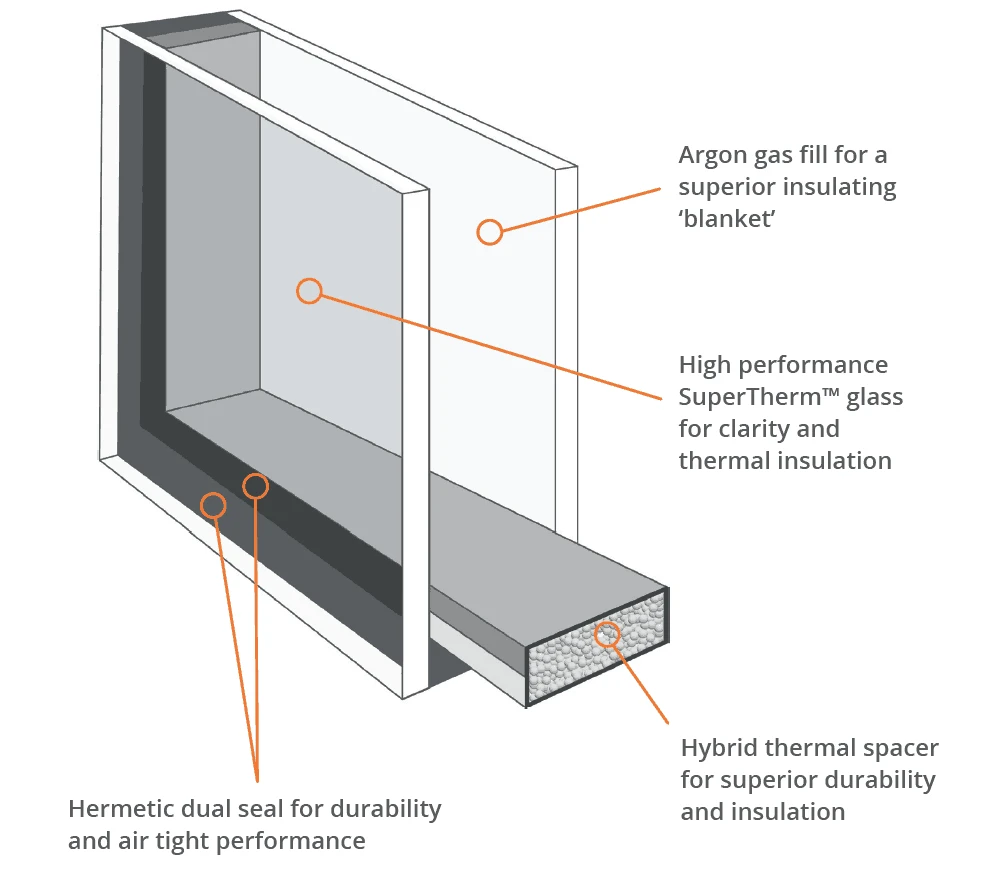
In Collingswood’s climate zone, the right window specification matters. Homes here need windows with both a low U-factor, which measures how well the window insulates, and an appropriate Solar Heat Gain Coefficient, which controls how much solar radiation enters the home. The Building America Solution Center, a resource managed by the Pacific Northwest National Laboratory for the U.S. Department of Energy, notes that high-performance windows use multiple glass panes, argon or krypton gas fills between those panes, and low-emissivity coatings to keep heat inside during winter and block it during summer.
Bonus tip: When shopping for replacement windows, look for the NFRC label alongside the ENERGY STAR label. The NFRC ratings give you actual performance numbers for U-factor, solar heat gain, and air leakage so you can compare products directly rather than relying on marketing claims.
Improved Comfort in Every Season
Energy savings are important, but comfort is what you notice every day. Old windows create cold zones near exterior walls in winter and hot spots in rooms with afternoon sun exposure during summer. With modern windows, the interior glass surface stays warmer in cold weather and blocks more of the sun’s radiant heat when temperatures climb.
This is not a subtle difference. We have worked with Collingswood homeowners who stopped using certain rooms entirely because they were too drafty in January or too hot in July. After a window upgrade, those same rooms became some of the most comfortable spaces in the house. Properly sealed, energy-efficient windows eliminate the cold drafts you feel sitting near a window and the temperature swings that make your thermostat constantly cycle.
Protecting Your Home’s Interior From UV Damage
Many people do not realize that standard window glass allows a significant portion of ultraviolet light to pass through. Over time, UV exposure causes hardwood floors, furniture, drapes, and artwork to fade and degrade. According to ENERGY STAR, certified windows with low-e coatings can reduce fading by up to 75 percent compared to standard double-pane windows.
The low-e coating works by reflecting UV rays while still allowing visible light to pass through. This means you keep the natural brightness in your rooms without the gradual sun damage to your belongings. For Collingswood homes with south and west-facing windows that receive direct sunlight for much of the day, this protection is especially noticeable.
Bonus tip: If full window replacement is not in the budget right now, low-e window film is a secondary option that provides some UV protection. However, it does not match the insulating performance of a true low-e coated window.
Better Indoor Air Quality and Fewer Allergens
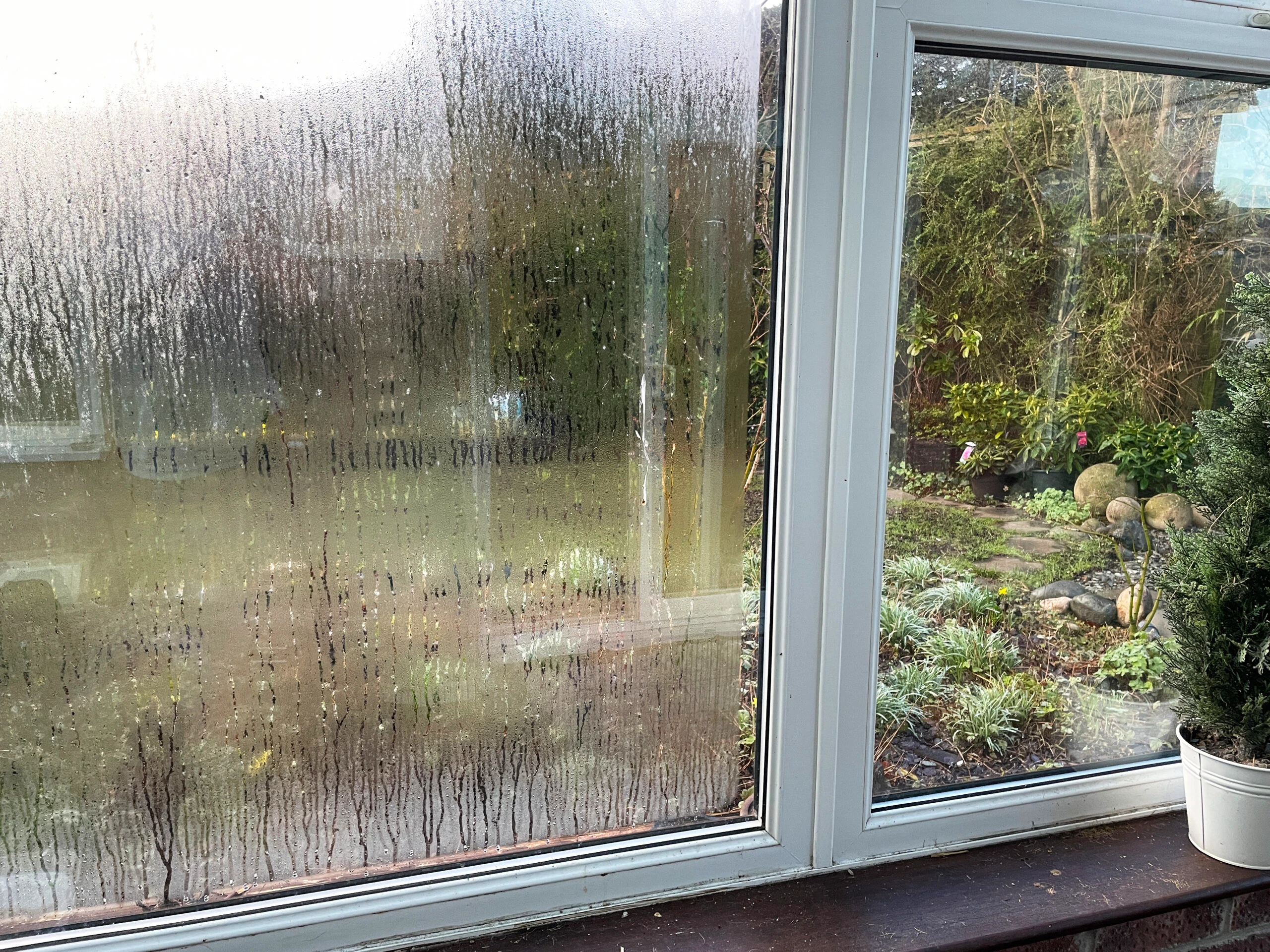
Old, poorly sealed windows do more than waste energy. They create pathways for dust, pollen, moisture, and outdoor pollutants to enter your home. The U.S. Environmental Protection Agency identifies moisture condensation on windows and walls as one of the key warning signs of inadequate ventilation and potential indoor air quality problems. When condensation builds up on cold window surfaces, it creates a breeding ground for mold and mildew that can release spores into the air you breathe.
New windows with better thermal performance resist interior condensation because the inner glass stays closer to room temperature. Tighter seals also mean fewer gaps for allergens and pollutants to infiltrate. For households in Collingswood where allergy season runs heavy from spring through fall, this reduction in airborne irritants can make a real difference in daily comfort.
Bonus tip: If your home was built before 1978, be aware that original window frames may have lead-based paint. The EPA requires lead-safe work practices for any window replacement in these homes. Make sure whoever handles your project follows those regulations to protect your family from lead dust exposure.
Noise Reduction for a Quieter Home
Collingswood’s walkable downtown, proximity to major roads like Haddon Avenue, and active neighborhood life bring a certain amount of ambient noise into nearby homes. Older single-pane windows offer almost no sound insulation, while modern multi-pane windows with gas fills between the glass create a meaningful barrier against outside noise.
The gas layer (typically argon or krypton) and the wider spacing between panes in double or triple-pane windows absorb and dampen sound transmission. While no standard replacement window will eliminate all noise, the reduction is significant enough that many homeowners notice the difference immediately, particularly in street-facing rooms and bedrooms.
How Modern Windows Compare to Older Units
The following table highlights the key performance differences between older window types and modern energy-efficient replacements:
| Feature | Old Single-Pane Windows | Old Double-Pane (Seal Failed) | Modern ENERGY STAR Windows |
|---|---|---|---|
| Glass panes | 1 | 2 | 2 or 3 |
| Gas fill between panes | None | None (seal failure leaks gas) | Argon or krypton |
| Low-e coating | No | Usually no | Yes, on one or more surfaces |
| U-factor (insulation) | 1.0 or higher | 0.5 to 0.8 | 0.25 or lower |
| Air leakage | High (warped frames, gaps) | Moderate to high | Low (0.3 cfm/ft² or less) |
| UV protection | Minimal | Minimal | Up to 75% reduction in fading |
| Condensation resistance | Low | Low | Moderate to high |
| Expected lifespan | 30+ years (but poor performance) | Seal failure after 10 to 20 years | 20 to 30+ years |
Things to Consider Before Making a Decision
Window replacement is a significant home improvement, and it pays to evaluate your specific situation before moving forward.
Assess the condition of your existing windows. Not every old window needs replacing. If the frames are solid, the glass is intact, and drafts are minimal, adding weatherstripping, caulking, or storm windows might address your concerns at a lower cost. The DOE recommends checking for air leaks and considering updates to existing windows before committing to a full replacement.
Match the window specs to your climate zone. Collingswood falls in the Northern ENERGY STAR climate zone. That means you want windows certified for this region with low U-factors for insulation and appropriate solar heat gain coefficients that balance winter heat retention with summer heat rejection. A window rated for Florida’s climate will not perform well here.
Check for available incentives, and verify they still exist. Outdated incentive claims are common online. The federal Section 25C window tax credit ended December 31, 2025, so no federal tax credit applies to windows installed in 2026. New Jersey homeowners should check New Jersey’s Clean Energy Program and their own utility for any current window or whole-home efficiency offers before buying, because these programs change. Confirming what is actually available now, rather than relying on an older article, keeps your budget realistic.
Plan for proper installation. Even the best window will underperform if it is installed poorly. The DOE notes that proper flashing, air sealing around the rough opening, and following manufacturer instructions are all essential. A badly installed window can leak air and water, void warranties, and cancel out the efficiency gains you paid for.
Frequently Asked Questions
What is the difference between a window’s U-factor and its Solar Heat Gain Coefficient?
A: U-factor measures how well a window prevents heat from escaping, which matters most in winter. Solar Heat Gain Coefficient measures how much of the sun’s radiant heat passes through the glass, which matters most in summer. For Collingswood’s mixed climate, you want low values for both ratings.
How do I know if my window seals have failed?
A: Fogging or condensation between the panes of a double-pane window is the most common sign. You may also notice that the window feels draftier than it used to or that the glass is noticeably colder to the touch in winter compared to other windows in your home.
Can new windows help reduce my HVAC system’s workload?
A: Yes. When windows stop losing heated air in winter and blocking solar heat in summer, your heating and cooling equipment runs less frequently and for shorter cycles. This can extend the lifespan of your HVAC system and reduce maintenance needs over time.
Are triple-pane windows worth the extra cost?
A: For Collingswood homeowners, triple-pane windows offer the best insulation performance, especially on north-facing walls where there is no solar heat gain to offset heat loss. They cost more upfront but deliver measurable comfort and efficiency improvements. Double-pane windows with low-e coatings and gas fills are a strong middle ground.
What should I look for on a window label before purchasing?
A: Look for both the ENERGY STAR label matching the Northern climate zone and the NFRC performance label. The NFRC label provides specific U-factor, SHGC, and air leakage ratings that let you compare actual performance between products rather than relying on general claims.
Is It Time to Upgrade Your Windows?
The benefits of new windows in Collingswood homes go well beyond lower energy bills. Reduced drafts, more consistent indoor temperatures, protection for your furnishings, cleaner indoor air, and a quieter living space all contribute to a home that simply works better for you and your family. The decision comes down to the condition of your current windows, your comfort priorities, and whether the long-term gains justify the investment for your situation.
If you want to discuss your specific needs or get a clear assessment of where your windows stand, our team at YBR GROUP Inc is happy to help. You can reach us at ybrgroupinc@gmail.com or call (267) 902-2393 or use our contact form to talk through your options with someone who understands Collingswood homes.
Sources
- ENERGY STAR Residential Windows, Doors, and Skylights – Official ENERGY STAR resource covering window certification criteria, energy savings data, and purchasing guidance
- U.S. Department of Energy – Update or Replace Windows – DOE Energy Saver guide on when to repair versus replace windows and how to select efficient options
- U.S. EPA – The Inside Story: A Guide to Indoor Air Quality – EPA guide on indoor air quality, including how window condition affects moisture, ventilation, and pollutant entry
- Building America Solution Center – High-Performance ENERGY STAR Windows – DOE-funded technical resource detailing ENERGY STAR window specifications, NFRC ratings, and climate zone criteria