A roof replacement is one of the larger home expenses a Bucks County family will face, and very few people pay for it out of pocket all at once. The good news: you have more ways to pay than most homeowners realize, and the right one depends on how much equity you have, how fast you need the work done, and whether storm damage is involved. This guide walks through every realistic financing path for a new roof in Pennsylvania, what each one is good for, and how to compare them without overpaying on interest.
At YBR GROUP Inc, we have replaced roofs across Bucks County since 2016, in Warminster, Doylestown, Newtown, Levittown, Southampton, Holland, and Lower Makefield. We are roofers, not lenders, so treat the options below as a plain-language map. Always confirm rates and eligibility with your bank, credit union, or lender before you sign anything.
What a Roof Replacement Costs in Bucks County
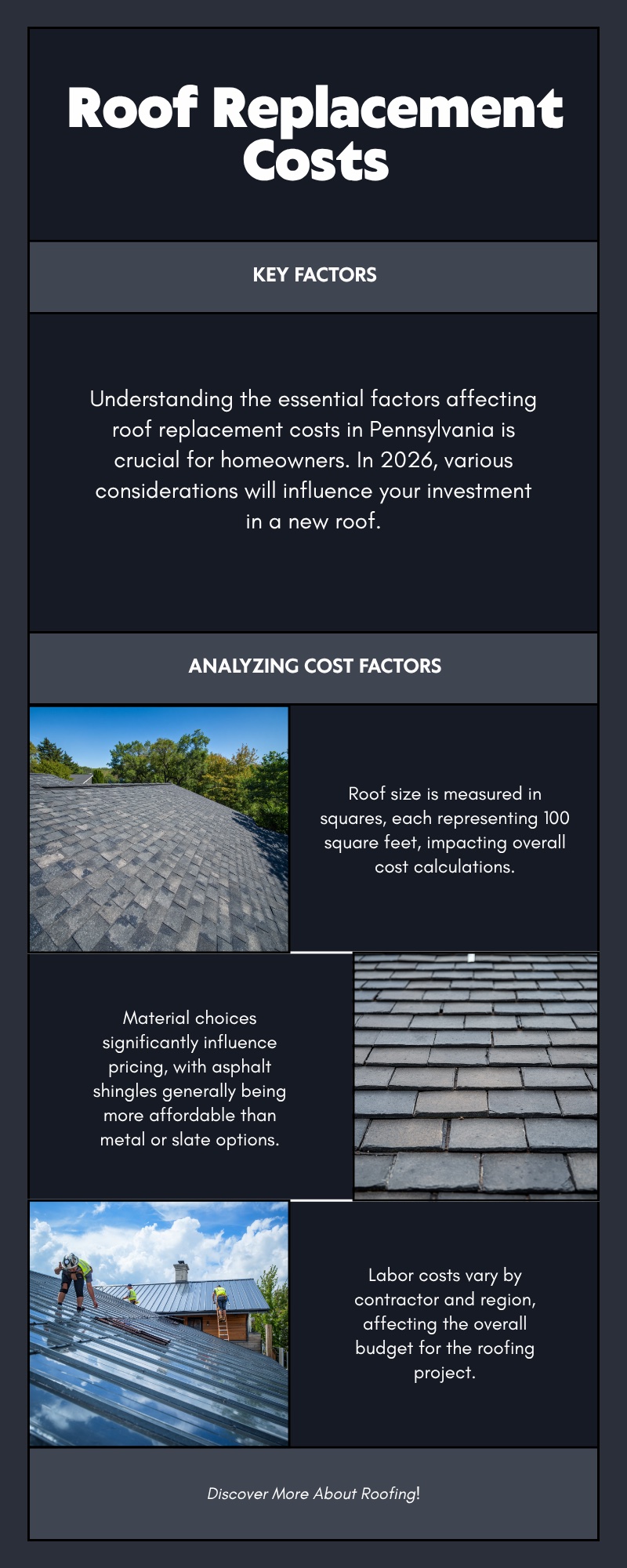
Before you choose how to pay, it helps to know the size of the bill. The total depends on the square footage of your roof, its pitch and complexity, how many old layers have to come off, and the material you pick. An asphalt shingle roof sits at the affordable end; standing-seam metal and premium architectural shingles cost more upfront but last longer. We break the numbers down on our roof replacement cost guide for Bucks County, and you can compare longer-life options on our metal roofing page. Get a written estimate first, because the real number decides which financing option actually fits.
Home Equity Line of Credit (HELOC)
A home equity line of credit lets you borrow against the equity you have built in your home, using the house as collateral. It works like a credit card with a set limit: you draw what you need, pay interest only on what you use, and the rate is usually variable. A HELOC is a strong fit when you want flexibility, for example if the project uncovers hidden decking damage and the final cost shifts. Because it is secured by your home, the interest rate is typically lower than an unsecured loan, but missing payments puts the house at risk. HELOC interest may also be tax-deductible when the funds are used to improve the home, so ask your tax advisor.
Home Equity Loan
A home equity loan is the fixed-rate cousin of the HELOC. Instead of a revolving line, you receive a single lump sum and repay it on a fixed schedule at a fixed interest rate. This suits a roof replacement well, because the cost is known up front and you get predictable monthly payments for the life of the loan. Like a HELOC, it is secured by your home, so the rate is generally lower than unsecured options, and the same tax-deduction question applies when the money goes into the home.
FHA-Insured Home Improvement Loans
If you do not have much equity yet, an FHA-insured property improvement loan (the Title I program, backed by the Federal Housing Administration) can fund a roof without requiring large home equity. These loans are made by approved lenders and insured by the government, which makes them easier to qualify for than many conventional options. They are capped at program limits and are designed specifically for repairs and improvements that protect the home, which a new roof clearly does. Check current terms with an FHA-approved lender or at hud.gov.
Personal (Unsecured) Home Improvement Loans
An unsecured personal loan does not use your home as collateral, so there is no lien on the property and funding is often fast, sometimes within a few days. The trade-off is a higher annual percentage rate than a secured loan, because the lender takes on more risk. A personal loan makes sense when you need the roof done quickly, you do not have equity to tap, or the amount is modest enough that the higher rate over a short term still keeps total interest reasonable. Compare the APR, not just the monthly payment, before you commit.
Contractor and Manufacturer Financing
Many roofing projects can be financed directly through the contractor or through a shingle manufacturer’s lending partner. The appeal is convenience: you apply once, and approval is built into the project. Some programs offer promotional periods with low or deferred interest. Read the fine print on what happens when the promotional period ends, because deferred-interest plans can charge back the full accrued interest if the balance is not paid off in time. Used carefully, contractor financing is a clean, one-stop way to spread the cost.
Pennsylvania Programs and Rebates That Lower the Cost
The cheapest dollar is the one you do not have to borrow. The Pennsylvania Housing Finance Agency (PHFA) runs low-interest home improvement loan programs for income-qualified homeowners, including energy-efficiency loans that can apply when your project improves the home’s efficiency. Eligibility and covered work vary, so confirm the current rules at phfa.org. Note one important change: the federal 25C energy-efficient home improvement tax credit ended December 31, 2025, so it no longer offsets a 2026 project [Source: IRS, via our window rebate guide]. We track the programs that actually still apply in our 2026 Pennsylvania rebate guide and on our Bucks County energy rebates page.
When Insurance Pays for Your Roof
If your roof was damaged by a covered event such as a hailstorm, wind, or a fallen tree, your homeowners insurance may pay for some or all of a replacement, minus your deductible. This is not financing, it is a claim, and it changes the math entirely. The key is documenting the damage promptly and getting a professional assessment before the claim window closes. We explain how this works, and how we support the claim, on our roof and siding insurance claim page. If storm damage is even a possibility, start there before you reach for a loan.
How to Choose the Right Financing
Compare four things across every option: the annual percentage rate (the true yearly cost of borrowing, including fees), the repayment term, whether the loan is secured by your home, and how fast you need the money. As a rule, secured options (HELOC, home equity loan, FHA Title I) carry lower rates because the lender has collateral, while unsecured personal loans and some contractor plans cost more but fund faster and do not put a lien on the house. Match the tool to your situation: equity plus time favors a home equity loan; speed plus no equity favors a personal loan; storm damage favors an insurance claim first. When in doubt, get the roof estimate in writing, then take it to two lenders and compare the APR side by side.
Frequently Asked Questions
What is the best way to finance a roof replacement in Pennsylvania?
There is no single best option, it depends on your situation. If you have equity and want the lowest rate with predictable payments, a fixed-rate home equity loan is usually the strongest choice. If the project cost might change, a home equity line of credit gives you flexibility. If you have little equity, an FHA Title I improvement loan or an unsecured personal loan can still fund the work. Compare the APR across two lenders before deciding. Call YBR GROUP at (267) 902-2393 for a written estimate you can take to your lender.
Can I get a new roof if I have no equity in my home?
Yes. You do not need home equity to finance a roof. An FHA-insured Title I property improvement loan is designed for exactly this situation, and unsecured personal loans do not touch your home equity at all. Contractor financing programs are another path that does not depend on equity. Rates are generally higher without collateral, so compare total interest, not just the monthly payment.
Does homeowners insurance cover a roof replacement in Bucks County?
It can, when the damage comes from a covered event such as hail, wind, or a fallen tree, and you pay your deductible. Normal wear and age are not covered. Document the damage quickly and get a professional inspection before the claim window closes. See our roof and siding insurance claim page for how the process works in Bucks County, and start there before financing if storm damage is possible.
Are there Pennsylvania programs that help pay for a roof?
The Pennsylvania Housing Finance Agency (PHFA) offers low-interest home improvement and energy-efficiency loan programs for income-qualified homeowners, and some roofing work qualifies when it improves the home’s efficiency. Confirm current eligibility and covered work at phfa.org. Note that the federal 25C energy-efficient home improvement tax credit ended December 31, 2025, so it does not apply to a 2026 roof.
Is contractor financing a good idea for a roof?
It can be a convenient, one-stop option, and some plans offer low or deferred interest for a promotional period. The thing to watch is what happens when that period ends: deferred-interest plans can charge back all the accrued interest if the balance is not paid off in time. Read the terms, know the post-promotional APR, and it can be a clean way to spread the cost.
Planning a roof replacement in Bucks County? Start with an honest, written estimate, then choose the financing that fits. YBR GROUP Inc serves Warminster, Doylestown, Newtown, Levittown, Southampton, Holland, and Lower Makefield with quality materials and full workmanship warranties, in business since 2016.
Call (267) 902-2393 for your free roof replacement estimate. See the full scope of our work on our roofing services page, or learn more about us on our Bucks County page.