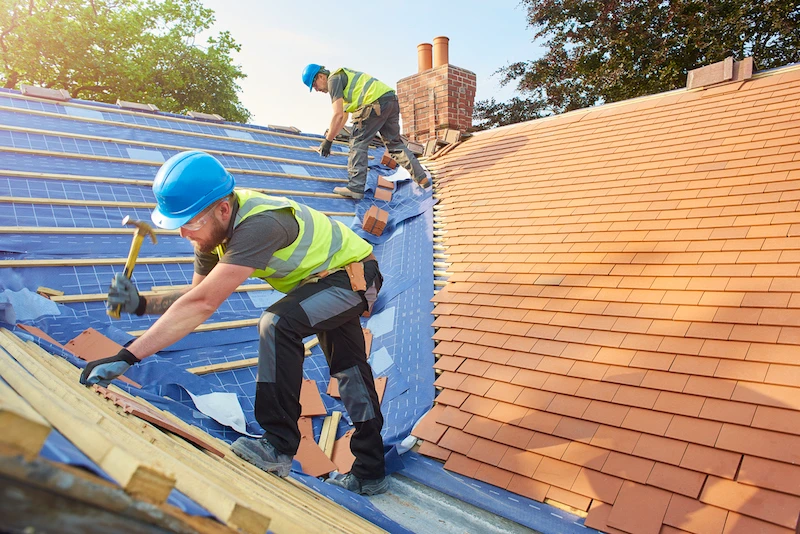
Every roof falls into one of three categories of service: installation on a new build, targeted repairs to an existing system, or full replacement when the structure has reached the end of its useful life. The right path depends on the age of your roof, the extent of any damage, your local climate conditions, and your long-term plans for the property. We have spent years working on residential and commercial roofing projects across Bucks County and the surrounding Pennsylvania and South Jersey area, and the information below reflects what we have seen first-hand across hundreds of installations, repair jobs, and full tear-offs.
The U.S. roofing contractors industry is projected to reach $76.4 billion in revenue in 2025, driven in large part by extreme weather events and aging housing stock. That means more homeowners are facing roofing decisions than ever before. This guide covers the three main service categories, how to tell which one applies to your situation, and what to expect from each process.
Roof Installation: Building It Right From the Start
A proper roof installation is the single most important factor in how long your roof will last and how well it will perform. Even the best materials on the market will fail prematurely if they are not installed correctly. Every roof is a system made up of multiple layers, not just the shingles you see from the street.
The main components of a shingle roof system, working from the inside out, include the roof deck (usually plywood or OSB), an ice and water shield along the eaves and valleys, a synthetic underlayment covering the entire deck, starter shingles along the perimeter, the visible shingle courses, ridge vents for attic ventilation, and ridge caps sealing the peak. Each layer has a specific job, and skipping any one of them compromises the entire system.
Bonus tip: Always ask your installer what underlayment and ventilation products they include. The shingle brand matters, but the waterproofing layers underneath are what actually keep your home dry during heavy rain and wind-driven storms.
Choosing Materials for a New Installation
Material selection depends on your budget, your climate, and the architectural style of your home. Here is a comparison of common roofing materials and their expected lifespans:
| Material | Expected Lifespan | Best Suited For |
|---|---|---|
| 3-tab asphalt shingles | 15–20 years | Budget-conscious projects, mild climates |
| Architectural asphalt shingles | 25–30 years | Most residential homes, varied climates |
| Metal roofing (standing seam) | 40–70 years | Regions with heavy snow, high wind, or wildfire risk |
| Clay or concrete tile | 50–100 years | Warm, dry climates; homes with Mediterranean or Spanish architecture |
| Slate | 75–200 years | Premium builds; homes that can support the weight |
| Wood shakes | 15–30 years | Homes in drier climates where a natural aesthetic is preferred |
Asphalt shingles account for roughly 80% of residential roofing projects in the U.S., largely because they are affordable, widely available, and relatively easy to install. Metal roofing, however, is gaining ground quickly due to its durability, fire resistance, and energy efficiency benefits.
Climate-Specific Installation Considerations
The climate where you live should directly influence your material choice and installation details. In hot southern regions, reflective or “cool roof” materials make a real difference. According to the U.S. Environmental Protection Agency, cool roofs with high solar reflectance can reduce peak cooling demand in air-conditioned buildings by 11 to 27%. The U.S. Department of Energy adds that a clean white roof reflecting 80% of sunlight can stay about 50°F cooler than a conventional grey roof on a summer afternoon.
In northern climates where ice dams are common, proper installation of ice and water shield along the eaves and in all valleys is non-negotiable. Without this self-adhesive membrane, melting snow can seep under shingles and cause extensive water damage to the roof deck and interior walls.
In coastal or hurricane-prone areas, wind-rated shingles and proper nail placement become critical. Most architectural shingles carry wind warranties up to 130 mph, but only when installed to manufacturer specifications with the correct number of nails per shingle.
Roof Repairs: Addressing Problems Before They Escalate
Repairs are the most common type of roofing service we perform. Most homes will need some form of roof repair during their lifetime, whether from storm damage, aging materials, or normal wear and tear. The key is catching problems early before they lead to water intrusion, structural damage, or mold growth inside the home.
Common Types of Roof Repairs
Shingle replacement. Individual shingles that are cracked, curling, or missing can usually be replaced without disturbing the surrounding area. This is one of the simplest and least expensive repairs, assuming the rest of the roof is in good condition.
Flashing repair. Flashing is the metal material sealed around chimneys, skylights, vents, and dormers. When flashing cracks, lifts, or corrodes, water finds its way into the gaps. Re-sealing or replacing flashing is a very common repair, especially on older homes.
Leak tracking and patching. Not all leaks originate where the water appears. Water can travel along rafters and decking before showing up as a stain on your ceiling. Our process involves inspecting the attic, tracing the water path, and sealing the entry point at the roof surface.
Gutter and drainage repair. Damaged or clogged gutters cause water to back up under shingles along the eaves. Fixing or replacing gutter sections often resolves what looks like a roof leak.
Bonus tip: If you notice granules accumulating in your gutters, that is a warning sign that your asphalt shingles are losing their protective coating. It does not always mean you need a full replacement, but it does mean you should schedule an inspection to assess overall shingle condition.
When Repairs Make Sense vs. When They Don’t
A targeted repair is almost always the right call for a relatively new roof with isolated damage, such as a few shingles torn off by wind or a small section of flashing that failed around a vent. But repairs become less practical as the roof ages and problems start appearing in multiple areas.
A useful guideline we follow in our own assessments: if the estimated repair bill would exceed roughly 30% of the cost of a full replacement, and the roof is within a few years of its expected lifespan, replacement usually delivers better long-term value. Repeatedly patching an aging roof often costs more over time than replacing it would have.
Roof Replacement: Knowing When It Is Time
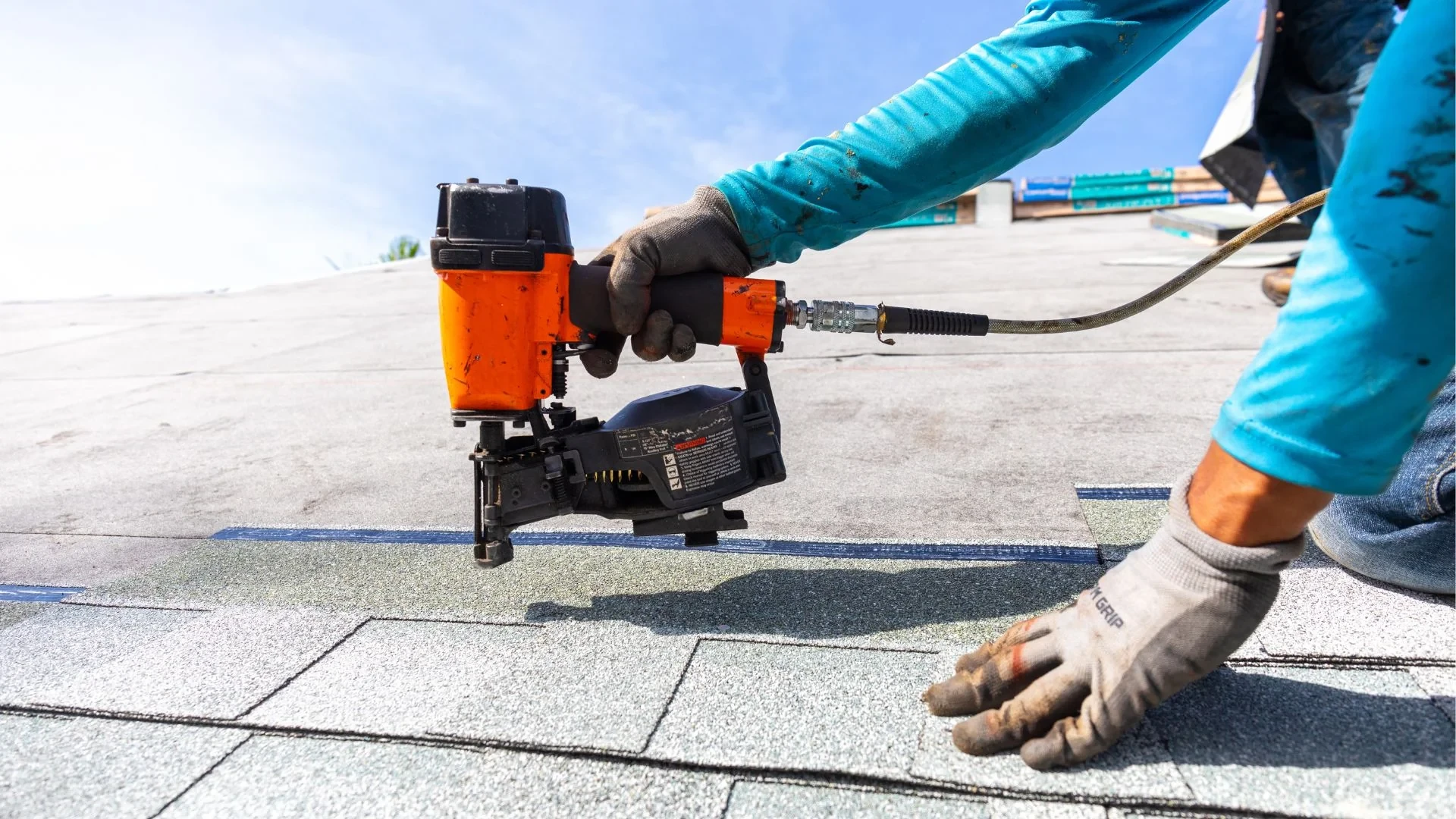
Full roof replacement means removing all existing materials down to the roof deck, inspecting and repairing the deck as needed, and installing a complete new roofing system. This is the most extensive and expensive roofing service, but it is also the only permanent solution for a roof that has reached the end of its functional life.
According to a survey by This Old House, nearly 31% of homeowners nationwide pursued roof renovation, repair, or maintenance projects in the past three years. Of those projects, roof replacements made up roughly 90% of the residential market by both volume and value.
Clear Signs You Need a Replacement
- Widespread shingle damage. Curling, cracking, buckling, or missing shingles across multiple areas of the roof, not just one section.
- Granule loss. Excessive granule buildup in gutters, especially from an asphalt shingle roof that is 15 years old or more.
- Sagging roofline. A dip or bow in the roof plane indicates structural damage to the decking or supports beneath. This is not something a surface repair can fix.
- Daylight visible through the attic. If you can see light coming through the roof boards when you inspect the attic, the decking has gaps or deterioration that require a full replacement.
- Multiple leaks in different locations. A single leak is often repairable. Leaks appearing in several different areas at once usually point to a systemic failure of the roofing materials.
Not sure which category your roof falls into? Our guide to the 7 signs your Bucks County roof needs replacement walks through each warning sign in more detail, with photos and what each one means for your timeline.
Tear-Off vs. Overlay
When replacing an asphalt shingle roof, you generally have two options. A full tear-off strips everything down to the plywood deck, allowing the installer to inspect the deck, replace any rotted sections, and lay down a fresh underlayment. An overlay, or re-roof, nails new shingles directly over the existing layer.
Most building codes allow a maximum of two layers of shingles. An overlay costs less upfront and takes less time, but it adds weight to the roof structure and hides any damage to the underlying deck. In our experience, a full tear-off is almost always the better long-term choice because it gives us a clean surface to work with and lets us identify and fix hidden problems before they become expensive surprises.
What the Replacement Process Looks Like
A typical full replacement follows these steps:
- Inspection and permitting. We assess the existing roof, measure the square footage, identify any structural concerns, and pull any required local permits.
- Tear-off and debris removal. Existing shingles, underlayment, and flashing are stripped down to the deck and loaded into a dumpster.
- Deck inspection and repair. Any rotted, softened, or damaged plywood or OSB is replaced before new materials go on.
- Underlayment and flashing installation. Ice and water shield goes along the eaves and valleys, synthetic underlayment covers the full deck, and new flashing is installed around all penetrations.
- Shingle installation. Starter strips, field shingles, ridge vents, and ridge caps are installed according to the manufacturer’s specifications.
- Cleanup and final inspection. We run a magnetic nail sweep over the property, remove all debris, and walk through the finished job with the homeowner.
Bonus tip: Always keep a bundle or two of your new shingles stored in a dry place. If you need a repair years later, having matching materials on hand ensures a seamless patch instead of a mismatched section.
Things to Consider Before Making a Decision
Before you move forward with any roofing service, there are several factors that can influence which direction makes the most sense for your situation.
Age of the current roof. Check your records for the installation date. If your asphalt shingle roof is approaching or past the 20-year mark, replacement is likely in your near future regardless of current condition. A repair might buy you a year or two, but the cost-effectiveness diminishes quickly.
Scope and location of damage. Damage confined to one area, such as a wind-blown section or a single failed flashing point, is a strong candidate for repair. Damage spread across multiple planes, valleys, or slopes points toward replacement.
Future plans for the home. If you plan to sell within the next couple of years, a new roof can be a selling point that increases buyer confidence. If you plan to stay for decades, investing in a durable material like metal or architectural shingles pays off over time.
Local building codes and HOA rules. Some municipalities and homeowner associations restrict the types of roofing materials or colors you can use. Always check these requirements before selecting materials.
Ventilation and insulation. A roof replacement is the best time to evaluate and upgrade your attic ventilation. Poor ventilation traps heat and moisture, which accelerates shingle deterioration and can lead to ice dams in winter. Ridge vents, soffit vents, and proper insulation work together to extend the life of your new roof.
Frequently Asked Questions
How often should I have my roof inspected?
We recommend a professional inspection at least once a year, with an additional check after any major storm. Catching small issues early prevents them from becoming major expenses.
Can I install a new roof over my existing shingles?
Many building codes allow one overlay on top of an existing layer, but we generally advise against it. A full tear-off lets us inspect the deck, fix hidden damage, and install proper underlayment, which extends the life of the new roof significantly.
What time of year is best for a roof replacement?
Spring and early fall offer the most predictable weather in most regions; our guide to the best time to replace a roof in Pennsylvania covers this in more detail. Extreme heat makes shingle installation more difficult, and freezing temperatures can prevent proper sealing of the adhesive strips.
How long does a full roof replacement take?
Most residential replacements take one to three days depending on the size and complexity of the roof. Tear-off, deck repairs, and weather delays can extend that timeline.
Will a new roof lower my energy bills?
It can, especially if you are upgrading to reflective or cool roof materials or improving attic ventilation during the replacement. Cool roofs reduce the amount of heat transferred into the building, lowering air conditioning demand during summer months.
Key Takeaways
Understanding the difference between installation, repairs, and replacement helps you make informed decisions about your roof at the right time, not when a crisis forces your hand. Repairs work well for newer roofs with isolated damage. Replacement becomes the better option when damage is widespread, the roof is nearing the end of its expected lifespan, or repair costs approach a significant percentage of the total replacement cost. Every property is different, so start with a professional roof inspection to get a clear picture of your roof’s actual condition before committing to any single path.
Get in Touch With Our Team
If you are unsure whether your roof needs a repair or a full replacement, we are happy to take a look. Reach out to YBR GROUP Inc at ybrgroupinc@gmail.com or call us at (267) 902-2393 to schedule an inspection. Our team will walk through the findings with you, explain your options, and help you decide on the best course of action for your home.
Sources
- U.S. Environmental Protection Agency – Using Cool Roofs to Reduce Heat Islands – Detailed information on cool roof benefits, including solar reflectance properties, energy savings, and co-benefits for buildings and communities
- U.S. Department of Energy – Cool Roofs – Comprehensive guide on cool roof options for steep and low-sloped roofs, energy savings potential, and climate considerations
- This Old House – Roofing Facts and Statistics – Industry data on roofing market size, material lifespans, homeowner spending trends, and sustainability developments
- ENERGY STAR – Cool Roofs – Information on cool roof benefits including energy savings, reduced greenhouse gas emissions, and urban heat island mitigation